Rassvet LLC

Hunting grounds

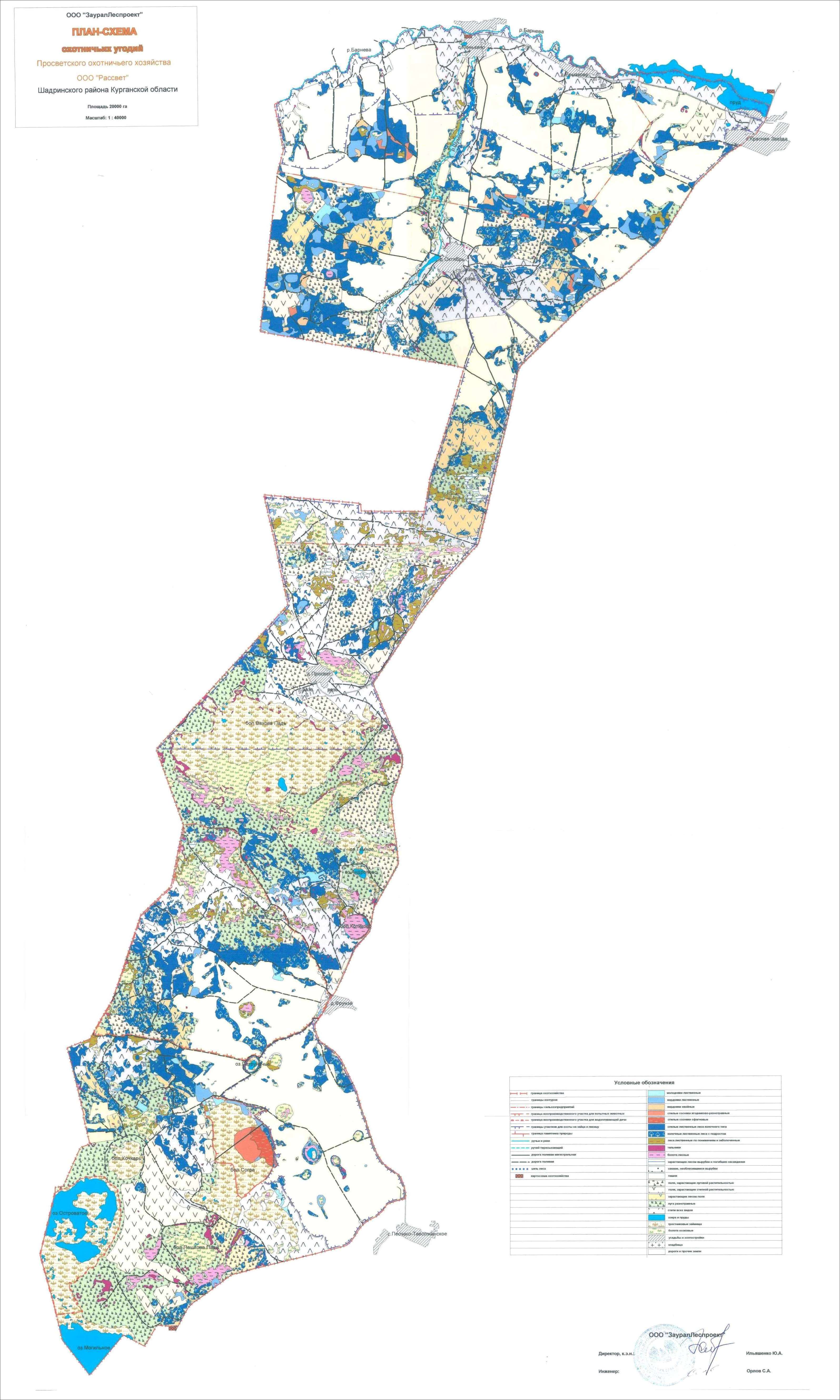
Prosvesetsky hunting grounds — 20,000 ha in the Shadrinsk district

Alongside crop production, Rassvet LLC manages the 20,000-hectare Prosvesetsky hunting grounds in the Shadrinsk district of the Kurgan region.

The grounds lie in the forest-steppe subzone — a land of birch groves, fields, lakes, and marshes. Elk, roe deer, wild boar, mountain hare, fox, badger, muskrat, black grouse, and other species live here.

Prosvesetsky hunting grounds
20,000
Grounds area, ha

About the grounds

The Prosvesetsky hunting grounds are located in the Shadrinsk district of the Kurgan region. The total area is 20,000 hectares. According to forest vegetation zoning, the territory belongs to the forest-steppe subzone. The climate is determined by the geographical location of the Shadrinsk district. In winter, high atmospheric pressure brings many sunny days.

Climate

Snow cover is modest. Average annual precipitation is 380 mm, with the most falling in June–July and August and the least in January–February. There are 158 days with snow cover; depth does not exceed 30 cm. The frost-free period lasts 115–120 days on average. West and south-west winds prevail. The growing season averages 125 days, with late spring and early autumn frosts typical.

Prosvesetsky hunting grounds

Lakes, marshes, and vegetation

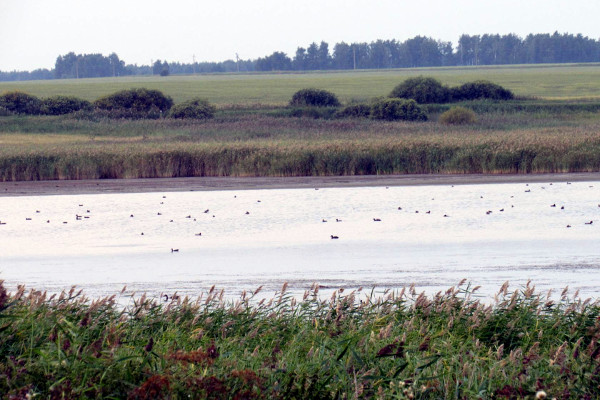
The grounds contain many large and small floodplain lakes. Small lakes are usually overgrown with reeds and cattails, with depths of no more than 1.5 metres. Rich aquatic vegetation and wildlife make them popular nesting sites for waterfowl. Muskrats are abundant. There are also many marshes on the territory.

Wildlife of the grounds

Game animals and birds

Ungulates

elk, roe deer, wild boar

Lagomorphs

mountain hare

Carnivores

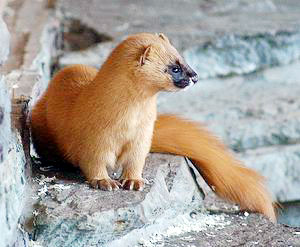
badger, fox, raccoon dog, marten, mink, steppe polecat, stoat, polecat, weasel

Semi-aquatic

beaver, muskrat

Birds

waterfowl, capercaillie, black grouse, grey partridge

Main game species

  • elk
  • roe deer
  • wild boar
  • mountain hare
  • fox
  • raccoon dog
  • badger
  • waterfowl
  • black grouse

Species for driven hunting

  • mountain hare
  • fox
  • raccoon dog
  • waterfowl

Game species

Siberian roe deer

Siberian roe deer

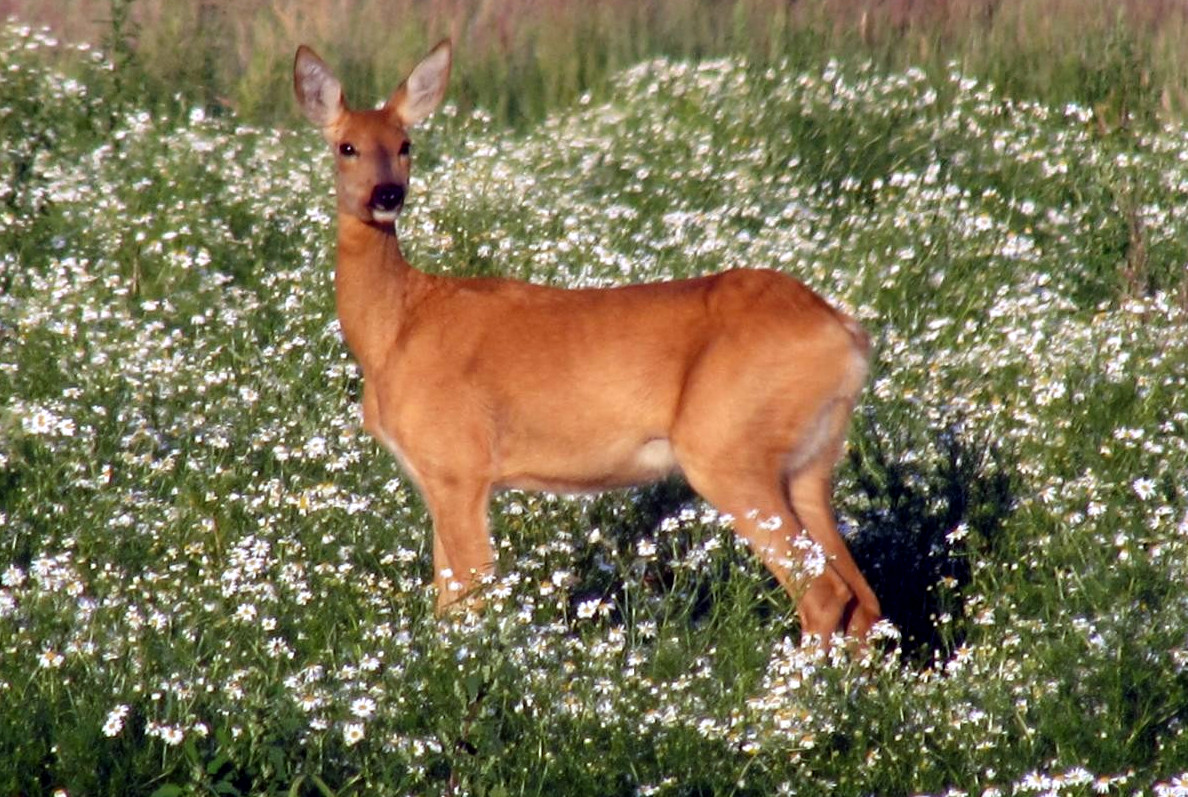
In the Kurgan region, the range coincides with the forest-steppe zone. On the Prosvesetsky grounds, roe deer live mainly in small mixed forests, birch-aspen groves, and shelterbelts; they avoid large forest tracts but are common at forest edges. In winter, high-grass and wormwood steppes serve as main feeding grounds.
Elk

Elk

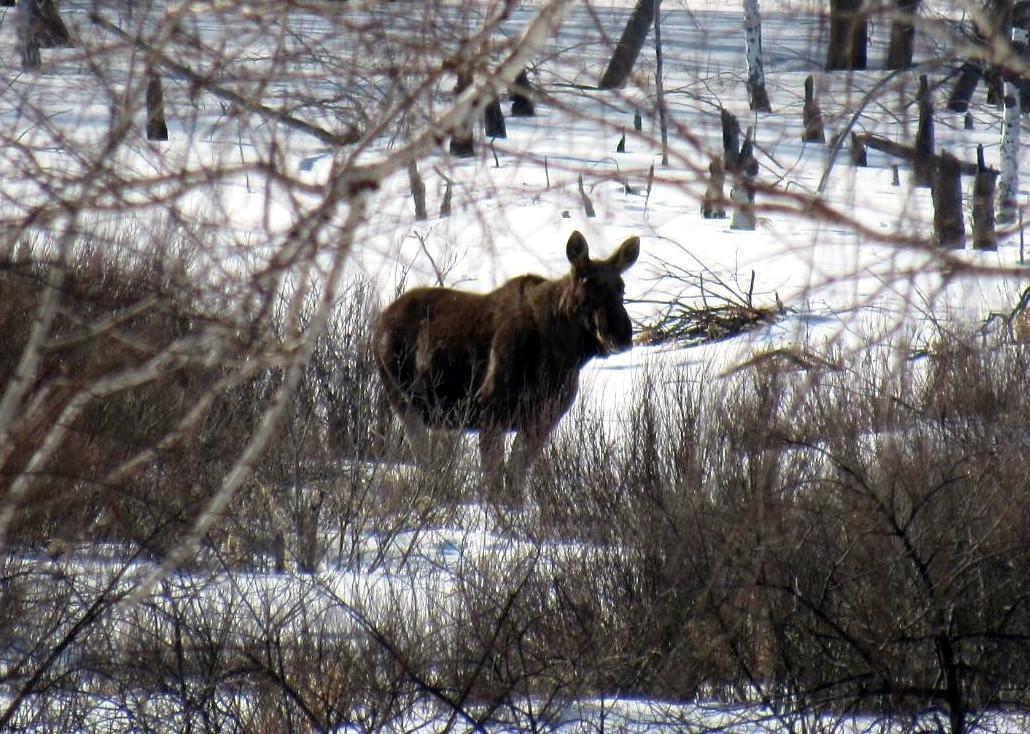
Elk in the Kurgan region occupy the forest-steppe and much of the steppe zone. They prefer moist valley and lowland boggy forest biotopes or secondary forests after fires and clearcuts. On the grounds, willow, birch, pine, and other plants dominate their diet.

Wild boar

Wild boar

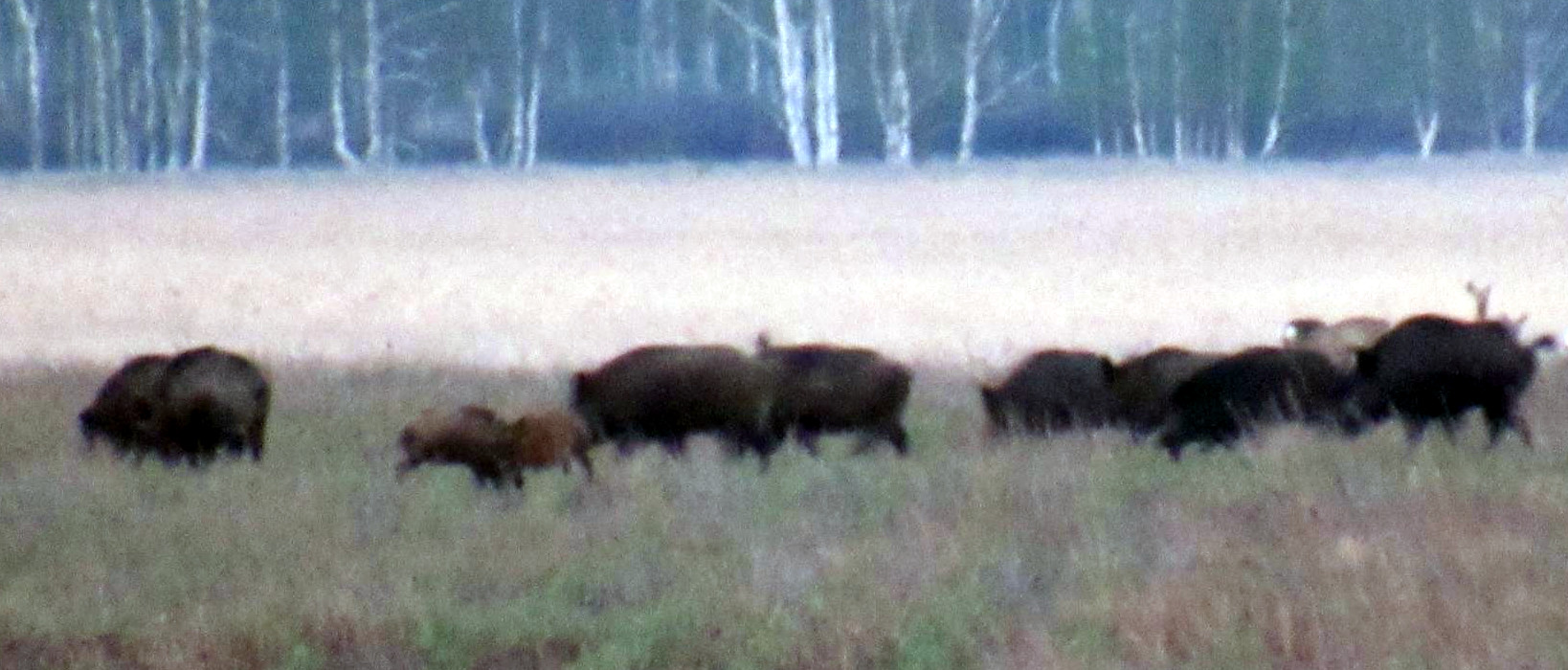
Wild boar is a valuable game animal, preferring mixed forests near marshes and water bodies. They feed on tubers, rhizomes, earthworms, soil insects and larvae, and small vertebrates, turning over large areas of soil. About 40 boars currently live on the Prosvesetsky grounds.

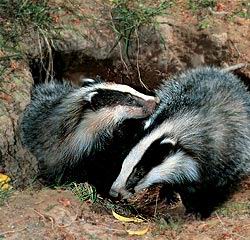
Badger

Badger

The badger is a valuable fur animal. It lives mainly in forests offering shelter and varied food. Setts are usually on dry sites with light, often sandy soil and deep groundwater, tending toward forest edges and river floodplains.

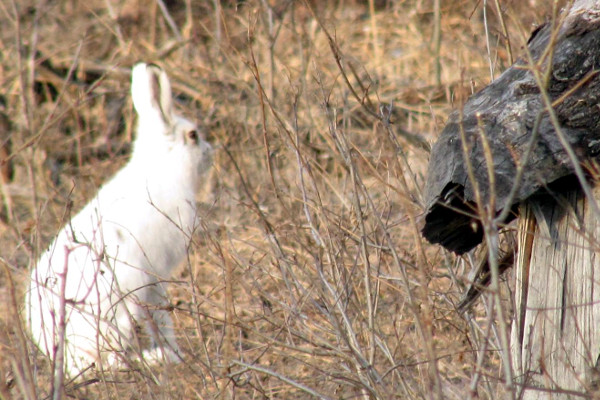
Mountain hare

Mountain hare

The mountain hare is one of the most common game species on the Prosvesetsky grounds. It lives in shrub thickets along rivers and lakes; in forest it prefers well-developed understory and overgrown clearcuts, avoiding dense high forest. In summer it feeds on herbs; in winter on shoots and bark of willow and aspen, and visits winter crops and perennial grass fields.

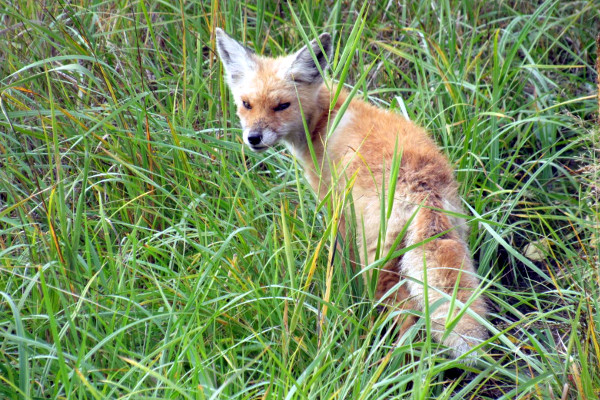
Red fox

Red fox

The fox lives in sparse forests, steppes, river valleys, and lake shores. It feeds on hares, birds, carrion, insects, berries, and vegetables, but rodents form the main diet.

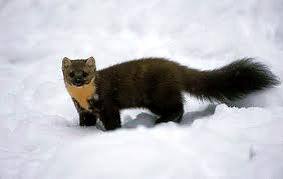
Pine marten

Pine marten

The pine marten is a valuable fur animal of old coniferous, deciduous, and mixed forests with plenty of hollow trees and windfall. It avoids dry clean pine stands without understory.

European polecat

European polecat

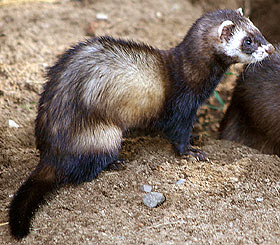
The polecat is a valuable fur animal of taiga and forest-steppe. Favoured habitats are shrubby river valleys, lake shores, tussock bogs with willow and reed, and birch groves.

Steppe polecat

Steppe polecat

The steppe polecat is a valuable fur animal of forest edges, woodland margins, boggy banks of forest streams, and marsh margins. Diet: mice, susliks, hamsters, birds, lizards, and insects.

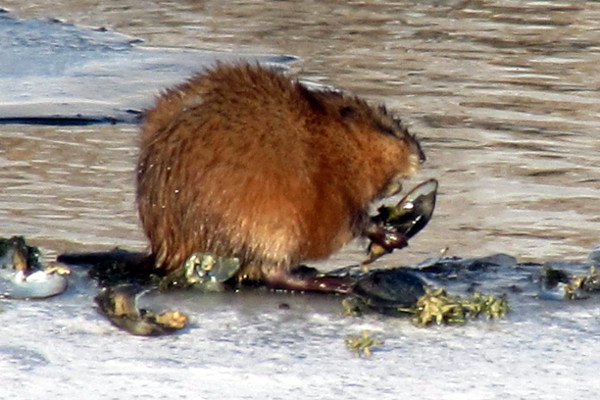
Muskrat

Muskrat

Muskrat is an important furbearer with a semi-aquatic lifestyle, living in burrows with many exits, usually underwater. Main food: reeds, bulrush, and cattail.

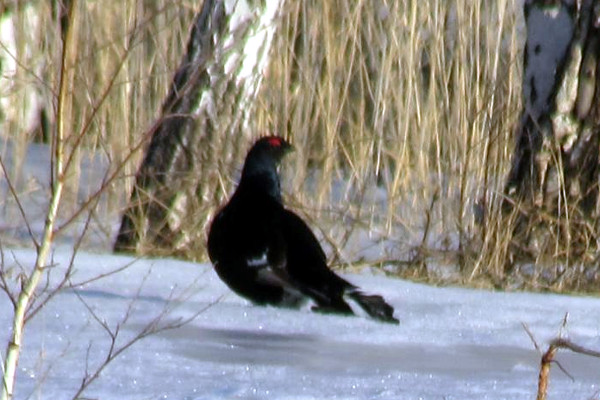
Black grouse

Black grouse

The black grouse is the best-known of the grouse family. It prefers open areas: in forest zones — river valleys, field margins (especially hay meadows), and raised bogs. On the Prosvesetsky grounds it favours forest-steppe where meadows and glades alternate with shrubs, groves, and woodland margins.

Hunting services

Hunting

Organised hunting for main and driven-hunt species in designated grounds in accordance with seasons and permits.

Fishing

Fishing on the lakes and waters of the Shadrinsk district all year round.

Gamekeeper guiding

Experienced gamekeepers — organisation, guiding, and advice on the grounds.

Planning a trip?

Contact us to check seasons, terms, and availability of the grounds.

Contacts